தமிழில் சில சொற்கள் தமிழ்ப் பேச தமிழ் எழுத, படிக்க இன்னும் சில தமிழர் பண்பாடு இயல் இசை நாடகம் தமிழர் வரலாறு Image Map
Showing posts with label Nam Panbaadu .. Cultures. Show all posts

26 Apr 2013

மூளை நலமாக இருக்க நாம் சாப்பிட வேண்டியவை


மூளையின் நினைவாற்றலைச் சிறப்பாகத் தக்க வைத்துக்கொள்வதற்கு கொழுப்புச் சத்து தேவை. இதற்கு மீனிலிருந்தும், மீன் எண்ணெயிலிருந்தும் கிடைக்கும் 'என் 3' என்ற கொழுப்புச் சத்து நாள்தோறும் தேவை. நல்ல முடிவை திடீரென்று எடுக்க மீனும் ஏதேனும் ஓர் இனிப்புமே போதுமாம். சைவ உணவுக்காரர்கள் 'சோயா' அவரை எண்ணெய், ஞாயிறுவணங்கி (சூரியகாந்தி) எண்ணெய் ஆகியவற்றைப் பயன்படுத்தலாம். 

மனித உடலிலே மூளைதான் மிகுதியான உயிர்வளியைப் பயன்படுத்துவது. எனவே, மூளையின் உயிரணுக்கள் அழியாதிருக்க பைட்டோ கெமிக்கல் உள்ள உணவுகள் தேவை. இத்துடன் மூளை வலுவின்மை, குழப்பம், நோய்த் தாக்குதல், நினைவிழப்பு நோய், மறதி நோய் முதலியன ஏற்படாமல் இருக்க 'பி', 'ஏ', 'ஈ' ஆகிய உயிர்ச்சத்துகள் உள்ள உணவுகளும் தேவை. 

மிகவும் கூர்மையாகச் சிந்தித்து முடிவு எடுக்கச் சீனி உதவும். இதற்கு பழம் அல்லது இனிப்பு வகைகள் சாப்பிடவும். அரிசி, வெதுப்பி, கோதுமை, உருளைக்கிழங்கு முதலியன சினம் மற்றும் பதற்றம் போன்ற உணர்ச்சிகளை மெல்ல மெல்லக் கட்டுபடுத்திவிடும். 

மனதை அமைதிப்படுத்தி, தன்னம்பிக்கையை உணர்த்துவது வெள்ளைப்பூண்டு. மூளையின் உயிரணுக்கள் வேகமாக அழிந்து போய்விடாமல் பாதுகாப்பதில் வெள்ளைப் பூண்டுக்கு நிகர் வேறு இல்லை. நினைவாற்றல் உள்ள உயிரினங்கள் எல்லாம் நீண்ட நாள் வாழ்கின்றன. எனவே, நினைவாற்றல் அழியாமல் இருக்க வெள்ளைப் பூண்டைத் தவறாமல் சாப்பிடவும். 

பிரித்தானிய அறிவியல் அறிஞர்கள் 54 முதல் 84 வயது வரை உள்ள ஆண்களை ஆராய்ந்து வந்தார்கள். இவர்கள் உடலில் 'பி' உயிர்ச்சத்துகள் போதுமான அளவு இருந்தவர்கள் நல்ல நினைவாற்றலுடனும் சிறப்பான மூளைச் செயல் பாடும் உடையவர்களாக இருந்தனர். ஆனால், அவர்களில் 'பி6', 'பி12' ஆகிய உயிர்ச்சத்துகள் குறைவாக இருந்தவர்கள் மிகவும் மறதியும் மனக்குழப்பமும் உடையவர்களாக இருந்தனர். 


இந்த உயிர்ச்சத்துகள் குறையும் போது தீய அமிலங்கள் மூளைக்கு மிக மெதுவாக எடுத்துச் செல்லப்படுகின்றன. இதனால் மூளையின் செயல்பாடுகளில் குழப்பம் ஏற்படுகிறது. மதிய உணவில் தயிர் சோறும் கீரையும் இருந்தால் இந்த உயிர்ச்சத்துகள் நன்கு நம் உடலில் சேர்ந்துவிடும்.

- அனைவரிடமும் பகிர்ந்து பயனடைய செய்யுங்கள் -

18 Apr 2013

முதுமக்கள் தாழிகள் - Usage of Urns in ancient Tamil Civilisation.

முதுமக்கள் தாழிகள் என்பன பண்டைய தமிழகத்தில் இறந்தவர்களின் உடல்களை வைத்து மண்ணில் புதைக்கப் பயன்படுத்தப்பட்ட புதைகலன்கள். ஈமத்தாழிகள் என்றும் அழைக்கப்படும் இவை பற்றி சங்கப் பாடல்களிலும் குறிப்புகள் உள்ளன. 

குளமுற்றத்துத் துஞ்சிய கிள்ளிவளவன் பற்றி ஐயூர் முடவனார் பாடிய புறநானூற்றுப் பாடல் (புறம் 228) முதுமக்கள் தாழி பற்றி குறிப்பிடுகிறது. ஒருவர் இறந்த பின்னர் அவரது உடலை அல்லதுஎலும்புகளை அவர் பயன்படுத்திய பொருட்களுடன் ஒரு தாழியில் வைத்துப் புதைத்து விடுவது வழக்கம். 

இவ்வாறு புதைக்கப்பட்டத் தாழிகள் தமிழ்நாட்டில் பல இடங்களில் கிடைத்துள்ளன. உடல் செயலிழந்த முதியவர்களை உயிருடன் புதைக்கவும் இத்தாழிகள் பயன்பட்டன என்ற கருத்தும் நிலவுகிறது.


படம் ;- தமிழகத்தில் தொன்மையான முதுமக்கள் தாழிகள் கிடைப்பதுண்டு. அவ்வாறு கிடைத்த முதுமக்கள் தாழிகளைச் சேமித்திருக்கும் ஆரோவில் தமிழ் மரபு மையத்தின் காட்சி.

Urns were often used to comprise dead person to bury them in soil. These urns are also called as  "Eemathaazhigal" . Notes about them are featured in sangam literature. 

The urns were used to contain the dead person's personal belongings and bones and then they would be buried underground. These urns were found in many places around Tamil Nadu by Archeologists. 


தமிழர் தற்காப்புக் கலை - களரிப்பயிற்று Tamil Martial Arts - KaLarippayitru


களரிப்பயிற்று என்பது பழந்தமிழகத்தில் தோன்றிய ஒரு தற்காப்புக் கலையாகும். இது அடிமுறை என்றும் அழைக்கப்படும். இன்று இது கேரளாவிலும் பயிலப்படுகிறது எனினும், நெடுங்காலமாக தமிழர் பயன்றுவந்த விருத்தி செய்த தமிழர் தற்காப்புக் கலைகளில் இதுவும் ஒன்று. 


இந்தக் கலை பற்றிய பழைய ஏடுகள் தமிழிலேயே உள்ளன என்பது இதற்கு சான்றாகும். களரிபயத்து அடித்தல், உதைத்தல், கொழுவிப் பிடித்தல், தொடர்தாக்குதல் நகர்வுகள், ஆயுதங்கள் ஆகியவற்றையும், உடற்பிடித்தல் மூலிகைகள் போன்ற மருந்துவ நுணுக்கங்களையும் உள்ளடகிய ஒரு முழுமையான கலையாகும்.

வாள், கத்தி, சுருள்வாள், மான்கொம்பு, கண்டகோடாலி, மழு போன்ற ஆயுதங்களை களரி விளையாட்டில் பயன்படுத்துவர். களரி, வடக்கன் களரி, தெக்கன் களரி என இருவகைப்படும். 

கன்னியாகுமரி, நெல்லை, தூத்துகுடி ஆகிய பகுதிகளிலும் கேரளாவிலும் இக்கலை வடிவம் உள்ளது. களரி வீரர்கள் களரி நிகழ்வின் போது கடவுள், குரு, ஆயுதம், களம் ஆகியவற்றை வணங்கி பின் துவங்குவர். களரி கற்றுக் கொடுக்கும் ஆசான் அல்லது குரு மருத்துவம் தெரிந்தவராகவும் இருப்பார்.


The KaLaripayitru or KaLaripayattu

The KaLapayitru is one of the ancient tamil martial art. It is also known as  "Adimurai" . It is now widely practised in Kerala, it was found and spreaded by Tamils in ancient times.

Records of this martial arts was written and published in tamil dated hundreds of years ago. Various weapons are being used in this martial art, such as , knife, sword, antler, axe and bill. KaLari has been classified into two, "Vadakkan KaLari" ( Northen KaLari ) and "Thekkan KaLari" ( Southern KaLari ). 

5 Feb 2013

விபூதி

எத்தகையினராக இருந்தாலும், மரணத்திற்குப் பின் இறுதியில் தீயில் வெந்து அனைவரும் பிடி சாம்பலாக ஆவர் என்னும் தத்துவத்தை உணர்த்தி, நாமும் இதுபோல்தான்; ஆகையால் தூய்மையாக, அறநெறியில் இறைச்சிந்தனையோடு வாழவேண்டுமென உணர்த்துகிறது. சைவத்தின் முழுமுதற் கடவுளான சிவனை இது குறிப்பதாக சைவர்கள் நம்புகின்றனர். ஞானம் என்னும் நெருப்பில் அனைத்தும் சுட்டெரிக்கப்பட்ட பின் எஞ்சுவது பரிசுத்தமான சிவதத்துவமே என்பதை விபூதி குறிக்கின்றது.


திருநீறு வகைகள்

திருநீற்றை நான்கு வகைகளாகப் பிரிக்கின்றனர். அவை ;-

1) கல்பம்
2) அணுகல்பம்
3) உபகல்பம்
4) அகல்பம்

கல்பம்
கன்றுடன் கூடிய நோயற்ற பசுவின் சாணத்தைப் பூமியில் விழாது தாமரை இலையில் பிடித்து உருண்டையாக்கி பஞ்ச பிரம்ம மந்திரங்களால் சிவாக்கினியில் எரித்து எடுப்பதே கல்பத் திருநீறு எனப்படும்.

அணுகல்பம்
ஆரண்யங்களில் (காடுகளில்) கிடைக்கும் பசுஞ்சாணங்களைக் கொண்டு முறைப்படி தயாரிக்கப்படுவது அணுகல்பத் திருநீறு எனப்படும்.

உபகல்பம்
மாட்டுத் தொழுவம் அல்லது மாடுகள் மேயும் இடங்களில் இருந்து எடுத்த சாணத்தைக் காட்டுத்தீயில் எரித்து, பின்பு சிவாக்கினியில் எரித்து எடுக்கப்படுவது உபகல்பத் திருநீறு எனப்படும்.

அகல்பம்
அனைவராலும் சேகரித்துக் கொடுக்கப்படும் சாணத்தைச் சுள்ளிகளால் எரித்து எடுப்பது அகல்பத் திருநீறு எனப்படும்.

மனித உடலில் நெற்றி என்பது மிக முக்கிய பாகம், அதன் வழியாக மிக அதிக மாக சக்தி வெளிப்படும், உள்ளிழுக்கவும் செய்யும். இது ஒரு வர்ம ஸாதனம் கூட.
சூரிய கதிர்களின் சக்திகளை இழுத்து நெற்றி வழியாக கடத்தும் வேலையை திருநீறு செவ்வனே செய்யும், அதனால்தான் நெற்றியில் திருநீறு பூசுகிறார்கள்.
மற்றவர்களின் பார்வையினால் வெளிப்படும் சக்திகளும் அவர்களுக்குத் தெரியாமலேயே நெற்றி வழியாக அதிகம் கவரப்படும், அவர்களைத் தன்னிலை இழக்கச்செய்வதும் வசப்படுத்துவதும் இதன் மூலமாக எளிதாக செய்துவிடலாம். மனோ தத்துவம், ஹிப்னாட்டிஸம், மெஸ்மரிஸம் போன்றவற்றிலும் இங்கே பார்வையும் மன எண்ணங்களும் முக்கிய இடம் வகிக்கிறது. கண்ணேறு என்று சொல்லப்படும் தேவையில்லாத எண்ணங்கள் ஊடுறுவதை தடுக்கவும் திருநீறு இடப்படும்.
ஆக்ஞா தியானம் செய்பவர்களுக்கு உடல் மிக வெப்பம் அதிகரிக்கும். அந்நேரம் சூடு தணிய இங்கே சந்தனம் பூசுவார்கள்.
மருத்துவ ரீதியாக உடலுக்கு மிக முக்கியமான ஹார்மோன் சுரக்கும் பிட்யூட்டிரி சுரப்பியை தூண்டச்செய்யும் இடம் இந்த நெற்றி ஆகும், ஆக்ஞா தியானம் என்பதே இந்த சுரப்பியை தூண்டத்தான். இது தொடக்கம்.

தமிழ்நாட்டு வீடுகளில் திண்ணைகளின் பயன்பாடுகள் . Why do Tamil people keep Pedestal for their homes ?

திண்ணை என்பது, மரபுவழி வீடுகள் மற்றும் அது போன்ற கட்டிடங்களில், வாயில் கதவுக்கு அருகிலோ அல்லது அவற்றின் உட்பகுதியில் சில இடங்களிலோ காணப்படுகின்ற மேடை போன்ற அமைப்புக்களாகும்.


சாலைகளை அண்டியுள்ள வீடுகளின் திண்ணைகள் பொதுவாகச் சாலைகளுக்குத் திறந்தே இருப்பது வழக்கமாதலால் பழங்காலத்தில் தூரப் பயணத்தில் ஈடுபட்டுள்ள வழிப்போக்கர்கள் தங்கிச் செல்வதற்கு உரிய இடமாகவும் இவை பயன்பட்டன. பழந் தமிழ் இலக்கியங்களில் இதற்கான சான்றுகளைப் பரவலாகக் காணமுடியும்.

உடன்பிறந்தோர் வந்தாலே விரட்டி அடிக்காக் குறையாக உபசரிக்கும் இக்காலத்து மனிதர்கள் இருக்கையில்,

வழிப்போக்கர்களும் தங்கி செல்ல ஓரிடத்தை ஒதுக்கிய பழந்தமிழர்கள் எத்தகைய சிறப்புடையவர்கள் ?

A pedestal is a stage-like place in homes. These pedestals are mostly located in front of the houses, so that other people who aren't the part of the family (pedestrians), could spend the day or night at the pedestal when they're exhausted. This is the main purpose of pedestals in most of the tamil people's homes. Proves of this statement could be found in old tamil literatures.

1 Feb 2013

நமது சந்ததியர்கள் | நமது வம்சாவளியினரின் உரிய பெயர்கள்.

Five Bijouteries, Five different Epics. The Five Great Epics of Tamil Literature


Silapathikaaram - Silambu is a female footwear bijouterie. An epic, which was developed by Kannagi's history. 


Manimaegalai - An accessory that is worn to avoid their clothings from slipping away. This epic is indirectly indicates the woman, who wore the accessory, whose name is Manimaegalai. 

Kundalakesi - Kundalam is a piece of jewellery, that ladies used to wear on their ears. This epic defines a lady who has beautiful hair and Kundalam (earrings), whose name is Kundalakesi. 

Valayapathi - Valayapathi is a lady, who wears bangles around her wrists. An epic which recites her history. 

Seevagasinthamani - Sinthamani is a gem, which is placed on the King's crown. An epic, which recites the fame of a Jaina King. 

ஐந்து வகையான அணிகலன்கள், ஐம்பெரும் காப்பியங்கள்.


சிலப்பதிகாரம் - சிலம்பு என்பது மகளிர் அணியும் காலணி - கண்ணகியின் சிலம்பால் அதிகரித்த வரலாறு.

மணிமேகலை - ஆடை நழுவாமலிருக்க மகளிர் இடுப்பில் அணியும் அணி - இத்தொடர் அன்மொழித்தொகையாக அதனை அணிந்த பெண்ணை உணர்த்தும். இந்தப் பெயர் இடப்பட்ட பெண்ணின் வரலாறு.

குண்டலகேசி - குண்டலம் என்பது மகளிர் அணியும் காதுவளையம். - குண்டலமும் கூந்தல் அழகும் கொண்டவள் குண்டலகேசி - குண்டலகேசி என்பவளின் வரலாறு கூறும் நூல்.

வளையாபதி - வளையல் அணிந்த பெண் வளையாபதி - வளையாபதியின் வரலாறு கூறும் நூல்.

சீவகசிந்தாமணி - சிந்தாமணி என்பது அரசன் முடியில் (கிரீடத்தில்) பதிக்கப்படும் மணிக்கல். - சீவகனை மணிமுடியாக்கி எழுதப்பட்ட வரலாறு.

(For English Translation : http://tamizhlearners.blogspot.com/2013/02/five-bijouteries-five-different-epics.html )

31 Jan 2013

காங்கேயம் காளைகள் - Kaanggeyam Bulls


காங்கேயம் காளைகளை பற்றி நம்மில் சிலருக்கு தெரியும் , சிலருக்கு தெரியாது . தமிழ் நாட்டின் அடையாளமாக திகழ்கிறது காங்கேயம் காளைகள். உலகில் வேறெங்கும் இது போன்ற திமில் உள்ள காளைகளை பார்க்க முடியாது. உலகின் தொன்மை விளையாட்டான ஏறு தழுவதல் என்று சொல்லக் கூடிய ஜல்லிக் கட்டு போட்டியில் இந்த அரிய வகையான காளைகளை இன்றும் தமிழ்நாட்டில் நாம் பார்க்கலாம். அண்மையில் சங்கம் நான்கு நிகழ்ச்சியில் காங்கேயம் காளைகள் பற்றி கார்த்திகேயா சிவசேனாதிபதி கூறுகையில் , இந்த அரிய வகை காளைகள் தற்போது அழிந்து வரும் உயிரினமாக கருதப்படுகிறது. இங்கிருக்கும் பண்ணையார்கள் அதை பராமரிக்க விரும்பாமல் கேரளாவிற்கு ஏற்றுமதி செய்து விடுகின்றனர் . அதனால் இக்காளைகளின் எண்ணிக்கை பெருமளவில் குறைந்து வருகிறது என்று சுட்டிக் காட்டினார். கார்த்திகேயன் ஈரோட்டில் காங்கேயம் காளைகள் வளர்க்கும் பண்ணையை பராமரித்து வருகிறார் என்பதும் குறிப்பிடத் தக்கது .


மேலும் வரலாற்று ரீதியான தகவல் அவர் நமக்கு தருகையில்..
இதே வகையான காளைகள் தான் சிந்து சமவெளியில் 5000 ஆண்டுகளுக்கு முன்பு வளர்க்கப் பட்டது . சிந்துவெளியில் நமக்கு கிடைத்த காளை முத்திரையில் இப்போது தமிழகத்தில் இருக்கும் காளையை போன்றே திமில் மற்றும் உருவ அமைப்பை ஒத்த காளையை பார்க்க முடிகிறது . இத்தகைய திமில் அமைப்பு வேறு எந்த காளைக்கும் உலகில் கிடையாது . தமிழர்கள் சிந்து வெளியில் வாழ்ந்ததற்கு இதை விட பெரிய சான்று வேறு கிடையாது . ஆனால் இந்தக் காளை எப்படி தமிழக நிலப்பரப்பிற்கு வந்தது? ஒரு வேளை அங்கிருந்து தமிழர்கள் கால் நடையாகவே காளைகளை ஓட்டி வந்திருக்கலாம். அல்லது தமிழர்கள் சிந்து வெளி வரை இப்படியான காளைகளை கொண்டு சென்று வளர்த்து இருக்கலாம் . இது இன்னும் புரியாத புதிராகவே இருக்கிறது.


எப்படியோ தமிழர்களின் தொன்மையை இன்றளவும் இந்த அரிய வகை காங்கேயம் காளைகள் பறை சாற்றுகின்றன . இக்காளைகளை அழிய விடாமல் பராமரிப்பது தமிழர்களின் கடமையும் ஆகும் .

Some of us have heard of them, while some of us don't. These bulls with humps, are nowhere to be found in the world rather than in Tamil Nadu, India. These rare specie are employed in one of the traditional sport, "YaeRu Thazhuvuthal" or "Jallikkattu", a bravely man supress these bulls, and if he successfully suppress the raged bull, he's considered as the winner. This most expected event in India takes place in most places in Tamil Nadu during Ponggal (Thanksgiving Festival).

These specie, is now considered as the most endangered animal genus in Tamil Nadu, India. This is because, "Most of the farmers who have these bulls, are having hard time taking care of these bulls and they are being sold to the places outside Tamil Nadu", said Kaarthikeya Sivasenaathipathi during the Sangam Naangu (Club 4).

The same kind of Kaangeyan Bulls were found in Indus Valley (Sindhu Samaveli) about 5000 years ago. The artifacts and fossils  of  farm animals  that are owned by people of that civilization found during the research are the proof for this statement, he said. The same kind of bulls with humps on their back also found to be existed during that era.  This proves the existence of Tamilians lived in the Indus Valley. 

அனிச்சம் மலர் (Anichcham Malar) - Anagallis Arvensis


அனிச்சம் மலர் கபிலர் இயற்றிய குறிஞ்சிப் பாட்டில் கூறப்பட்டுள்ள 99 பூக்களில் ஒன்றாகும்.

இம்மலர் முகர்ந்ததும் வாடிவிடும் என்று (இலக்கியத்தில்) கருதப்பட்ட மலர்.

பெண்களை இம்மலரோடு குறிப்பிடுவது வழக்கமாகும்.

தன் கற்பை உயிரினும் பெரிதாய்ப் போற்றும் மங்கைகள் வேறொருவன் பார்வை தன் மேல் பட்டாலே தன்னுயிரை மாய்த்துக் கொள்வர். அதேபோல, இம்மலரும் முகர்ந்து பார்த்தாலே வாடும் தன்மைக் கொண்டதாகத் தமிழ் இலக்கியத்தில் குறிப்பிடப்பட்டுள்ளது.

எனவே, தமிழ்ப் பெண் குழந்தைகளுக்கு,

அபர்ணா, நிர்வாணா என்று கொச்சையாகப் பெயர் சூட்டுவதை விட்டொழித்து விட்டு,

அனிச்சா, அனிச்சையா என இம்மலரின் பெயரைச் சூட்டுவது மிகப் பொருத்தமாகவும், பொருள்மிக்கதாகவும் இருக்கும்.
இப்பெயர்களின் உட்பொருளானது அப்பெண் ஒரு கற்புக்கரசி என்பதாகும்.

Anagallis Arvensis, (Anichcham Malar) is one of the 99 flowers, which had been mentioned in Kurinji Paattu, literated by Kabilar. This flower is said to wilt once it'd been smelled. Comparison between this flower to women had been made  by tamil folks, that once a woman had been touched by a man (which is considered to losing virginity in indian culture), she would kill herself,  just like how this flower would wilt once it had been smelled. 

5 Aug 2012

ஆறிலும் சாவு நூறிலும் சாவு பழமொழியின் உண்மையான விளக்கம்


ஆறிலும் சாவு, நூறிலும் சாவு

இ‌ந்த பழமொ‌ழி‌ உருவானத‌ற்கு ஒரு புராண‌க்
கதை உ‌ண்டு. அதை வாசக‌ர்களு‌க்காக
வழ‌ங்கு‌கிறோ‌ம்.


குருசேத்திர போரில் போருக்கு முன்னதாக
தனது மூத்த பிள்ளை கர்ணன் என்பதை அறிந்த
குந்திதேவி அவனிடம் சென்று பாண்டவர்
ஐவருடன் சேர்ந்து கவுரவர்களை எதிர்த்து போரிட
அழைக்கிறார்.

அப்போது கர்ணன், தனது தா‌ய் கு‌ந்‌திதே‌வி‌க்கு
ப‌திலுரை அ‌ளி‌க்‌கிறா‌ர்.

அ‌தி‌ல், தாயே நான் பாண்டவர் ஐவருடன் சேர்ந்து
ஆறாவது ஆளாக போரிட்டாலும் சரி, கவுரவர்கள்
நூறு பேருடன் சேர்ந்து போரிட்டாலும் சரி, இறப்பது
உறுதி என்பது எனக்குத் தெரியும்.

ஆகவே, ஆறிலும் சாவுதா‌ன், அ‌ப்படி இ‌ல்லா‌
வி‌ட்டாலு‌ம் நூறிலும் சாவுதா‌ன். எப்படி செத்தால்
என்ன? அத‌ற்கு செஞ்சோற்றுக் கடன் கழிக்க என்னை
வளர்த்து ஆளாக்கிய துரியோதனனிடமே இருந்து
உயிரை விடுகிறேன் என்கிறான்.

கர்ணன் கூறியதுதான் மேற்படி பழமொழிக்கு
உண்மையான பொரு‌ள்.

16 Jun 2012

Banana Leaf Food வாழை இலை உணவு


தமிழர்களுடைய கலாச்சாரத்தில் முக்கிய பங்கு வாழை இலைக்கு உண்டு . சுப காரியங்கள் என்றால் உடனே கும்பம் வைத்து அதன் கீழே தலைவாழை இலையை வைத்து அரிசி பரப்பி கும்பத்தின் மேலே தேங்காய் வைப்பது வழமை . இது தமிழர்கள் தமது பாரம்பரியமாகவே செய்து வருகிறார்கள் .

வாழைமரத்தில் இருந்து நாம் பல பயன்களை பெறுகின்றோம் என்று நம் எல்லோருக்கும் தெரியும் . நாம் இப்போது வாழை இலையின் மகத்துவம் , அதன் பயன்பாடுகள் என்னென்ன என்று பார்ப்போம் . நிறைய பயன்பாடுகள் உண்டு . நாம் இந்த வாழை இலையில் இருந்து பல தேவைகளை பூர்த்தி செய்கின்றோம் .

நாம் எல்லோரும் எமது வீடுகளில் முற்றம் இருந்தால் வாழை மரங்களை நாட்டி விடுவது வழமை . ஏனெனில் அது எந்த இடத்திலும் வளரும் . மற்றது எமக்கு தேவையான நேரங்களில் இலை வெட்டலாம் தானே . விரத நாட்கள் என்றால் நாம் அங்கும் , இங்கும் வாழை இலை தேடி திரிய தேவையில்லையே . உடனே வெட்டி எடுக்கலாம் தானே . வாழை குலை எடுக்கலாம் , வாழை பொத்தி எடுக்கலாம் என்று நிறைய பயன் எங்களுக்கு வாழை மரத்தால் கிடைக்கும் என்பதனால் கூடுதலாக எல்லோரது வீடுகளிலும் வாழை மரத்தை வளர்ப்பதுண்டு .

வாழை இலை என்று சொன்னாலே நமக்கெல்லாம் ஞாபகத்தில வருவது சாப்பாடு. இதனை நாம் பாரம்பரியமாக உணவுண்ண பயன்படுத்தி வருகிறோம். இவ்விலையில் சோறுண்டால் நல்வாழ்க்கை அமையும் என்பது நம்பிக்கை ஆகும் . வாழை இலையில் உணவு பரிமாறுவது தமிழர்களாகிய எமது விருந்தோம்பல் கலாச்சாரத்தில் முதலிடம் வகிக்கிறது.

நாம் சூடான உணவுகளை இவ்விலையில் வைத்து பரிமாறும் போது அதில் ஒருவித மணம் தோன்றும். அதற்கு நம்முடைய பசியினை தூண்டும் செய்கை உண்டு. இதனால் தான் நாம் இவ்விலையில் சாப்பிட்டு வருகிறோம். தீ விபத்திலிருந்து மீண்டவர்களையும், தீக்காயம் பட்டவர்களையும் வாழை இலையின் மீது படுக்க வைத்தால் அதில் உள்ள பச்சைத் தன்மை தீக்காயத்தின் எரிச்சலைப் போக்கும். புண்களில் இவ்விலையை எண்ணெய் தேய்த்து வைத்து கட்டி வர எளிதில் குணமாகும். முதலில் இலையின் மேற்புறத்தை புண்ணின் மீது வைத்து 2 நாட்கள் கட்ட வேண்டும். அதன்பின்னர், இலையின் அடிப்புறம் புண் மீது படுமாறு வைத்து அடுத்த 2 நாட்கள் கட்ட வேண்டும்.

வாழை இலையில் தொடர்ந்து உணவு உட்கொண்டு வந்தால் தோல் பளபளப்பாகும். உடல் நலம் பெறும். மந்தம், வலிமைக்குறைவு, இளைப்பு போன்ற பாதிப்புகள் நீங்கும். அழல் எனப்படும் பித்தமும் தணியும். வாழையிலை ஒரு கிருமி நாசினியாகும். உணவில் உள்ள நச்சுக் கிருமிகளை அழிக்கும் தன்மை கொண்டது. இதனால் நோயின்றி நீண்ட ஆரோக்கியத்தை அளிக்கிறது. வாழையிலையின் மேல் உள்ள பச்சைத் தன்மை (குளோரோபில்) உணவை எளிதில் சீரணமடையச் செய்வதுடன் வயிற்றுப் புண்ணை ஆற்றும் தன்மை கொண்டது. நன்கு பசியைத் தூண்டும். வாழையிலையில் உண்பவர்கள் நோயின்றி நீண்ட ஆரோக்கியத்துடன் வாழ்வார்கள்.

அலுவலகம் செல்லும் அதிகாரிகள், பணியாளர்கள் மற்றும் தொழிலாளர்கள் மதிய உணவை பார்சலாக எடுத்துச் செல்ல வாழை இலை சிறந்தது. சோறு பழுதாகாமல் அப்படியே இருக்கும் . குழந்தைகள், மாணவ, மாணவிகள் மதிய உணவு கொண்டு செல்ல வாழை இலை பயன்மிக்கது. கல்யாண வீடுகள், பொது விழாக்கள், அன்னதானம் விருந்து வைபவங்களுக்கு உணவு பரிமாறுவதுக்கு வாழை இலைகள் தான் பெரிதும் பயன்படுகின்றன . எல்லோரும் சாப்பிட்டவுடன் உடனே எரிந்து விடலாம் . எல்லோருக்கும் சுலபம் . விலையும் குறைவு .

வாழைமரத்தில் இருந்து நாம் பல பயன்களை பெற்று வருகின்றோம் . அதில் வாழை இலையின் பயன்பாடும் முக்கியம் . வாழை இலையின் பயன்பாட்டை அறிந்து கொள்ளுங்கள் 
.மூலம் :  http://tamilnanbargal.com/tamil-articles/

29 May 2012

Pottu [Black Dot]


Traditionally, the area between the eyebrows (where the pottu is placed) is said to be the sixth chakra ajna, the seat of "concealed wisdom". According to followers of Hinduism, this chakra is the exit point for kundalini குண்டலினி  energy. The pottu is said to retain energy and strengthen concentration. It is also said to protect against demons or bad luck. The pottu பொட்டு  also represents the third eye.

In modern times, pottus are worn by women of many religious dispositions in South Asia and Southeast Asia.
Red represents honor, love and prosperity, hence it was worn traditionally by women to symbolize this.

The red pottu பொட்டு has multiple meanings which are all valid at the same time. This is also a spiritual symbol.
  • By one simple interpretation it is a cosmetic mark used to enhance beauty.
  • From Vedic times, the pottu பொட்டு was created as a means to worship one's intellect. Therefore it was used by both men and women. The worship of intellect was in order to use it to ensure our thoughts, speech, actions, habits and ultimately our character becomes pure. A strong intellect can help one to make noble decisions in life, be able to stand up to challenges in life with courage, and recognize and welcome good thoughts in life. The belief was that on this a strong individual, a strong family and strong society can be formed.
  • In meditation, this very spot between the eyebrows is where one focuses his/her sight, so that it helps concentration. Most images of Buddha or Hindu divinities in meditative pose with their eyes nearly closed show the gaze focused between eyebrows.
Swami Muktanand writes 'auspicious Kumkum குங்குமம் or sandal wood சந்தனம் paste is applied (between the eyebrows) out of respect for inner Guru. It is the Guru's seat. There is a chakra (center of spiritual energy within human body) here called Ajna chakra meaning 'Command center'. Here you receive the Guru's command to go higher in Sadhana (spiritual practice) to the 'Sahasraar' (seventh and final chakra) which leads to Self realization. The flame seen at the eyebrow is called 'Guru Jyoti'  . 
The encyclopedic dictionary of Yoga informs that this 'Ajna Chakra' is also called the 'Third eye'. This center is connected with the sacred syllable 'Om' and presiding it is 'ParaaShiva'. After activation of this center, the aspirant overcomes 'Ahamkar' (ego or sense of individuality), the last hurdle on the path of spirituality. 

27 Jan 2012

ஆசீர்வாதம்


பெரியவர்கள் நம்மை ஆசிர்வதிக்கும் பொழுது பதினாறும் பெற்று பெருவாழ்வு வாழ்க என வாழ்த்துவது ஏன் ?
பதினாறு என்று அவர்கள் குறிப்பிடுவது ,

௧) கல்வி
௨) அறிவு
௩) ஆயுள்
௪) ஆற்றல்
௫) இளமை
௬) துணிவு
௭) பெருமை
௮) பொன்
௯) புகழ்
௰) நெல்
௰௧) நன்மைகள்
௰௨) நல்ல ஒழுக்கம்
௰௩) நோயின்மை
௰௪) முயற்சி
௰௫) வெற்றி
௰௬) அழகு

என்னும் பதினாறு செல்வங்களையே !


Relations in Tamizh தமிழ் உறவுகள்

Relations in Tamizh  தமிழ் உறவுகள்


English ~~ Tamizh
ஆங்கிலம் ~~ தமிழ்


Mom , Mother , Mummy - அம்மா [Amma] , தாய் [Thaai] , அன்னை [Annai] , தள்ளை [ThaLLai]


Dad , Father , Daddy - அப்பா [Appa] , தந்தை [Thanthai] , அச்சன் [Achchan] , அய்யன் [Aiyan]


Elder Sister - அக்காள் [AkkaL] , தமக்கை [Thamakkai]


Elder Brother - அண்ணன் [Annan] , தமையன் [Thamaiyan]


Younger Sister - தங்கை [Thangai] , அங்கச்சி [Anggachchi]


Younger Brother - தம்பி [Thambi] , அம்பி [Ambi]


Maternal Grandmother - பாட்டி [Paatti] , ஆச்சி [Aachchi] , அம்மம்மா Ammamma] , அமத்தா [Amaththa] , அம்மாயி [Ammaayi]


Paternal Grandmother -  பாட்டி [Paatti] , ஆச்சி [Aachchi] , அப்பத்தா [Appaththaa]


Maternal Grandfather - தாத்தா [Thaattha] , பாட்டன் [Paattan] , பாட்டனார்  [Paattanaar]


Paternal Grandfater - தாத்தா [Thaattha] , பாட்டன் [Paattan] , அப்பப்பா [Appappaa]


Great Grandmother - பூட்டி [Pootti] , கொள்ளுப்பாட்டி [KoLLuppaatti] , முப்பாட்டி [Muppaatti]


Great Grandfather - பூட்டன் [Poottan] , கொள்ளுதாத்தா [KoLLuthaathaa] , முப்பாட்டன் [Muppaattan]


Great Great Grandmother - எள்ளுப்பாட்டி [ELLuppaatti] , ஓட்டி [Otti]


Great Great Grandfather - எள்ளுத்தாத்தா [ELLuthaathaa] , ஓட்டன் [Ottan] , சீயான் [Cheeyan]


Brother - in - Law [Elder Sister's Husband] - மாமா , மைத்துனர் [Maama , Maitthunar]


Brother - in - Law [Younger Sister's Husband] -  கொழுந்தனார்  [Kozhunthanaar]


Sister-in-Law [ Elder Brother's Wife] - அண்ணி [ANNi] , மைத்துனி [Maitthuni] , மதினி [Mathini], அத்தாச்சி [Attaachi]


Sister-in-Law [ Younger Brother's Wife] - கொழுந்தியாள் [KozhunthiyaaL]


Uncle [Mother's brother] - மாமா [Maama] , தாய்மாமன் [Thaaimaaman]


Aunt [Mother's brother's wife] - அத்தை [Atthai] , அம்மாமி [Ammaami]


Aunt [Mother's elder sister / Father's elder brother's wife] - பெரியம்மாள் [PeriyammaL]


Uncle [Mother's elder sister's husband / Father's elder brother] - பெரியப்பா [ Periyappa]


Aunt [ Mother's younger sister / Father's younger brother's wife ] - சித்தி [Chitthi] , சின்னம்மாள் [ChinnammaaL]


Uncle [Mother's younger sister's husband / Father's younger brother] - சித்தப்பா Chitthappa] , சிற்றப்பார்  [Chitrappaar]


Aunt [Father's sister] - அத்தை [Atthai]


Uncle [Father's sister's husband] - மாமா [Maama]


Wife - மனைவி [Manaivi]


Husband - கணவன் [KaNavan]


Mother-in-law - மாமியார் [Maamiyaar]


Father-in-law - மாமனார் [Maamanaar]


Brother-in-law [Husband's brother] - கொழுந்தன் [Kozhunthan]  , அளியன் [ALiyan]


Sister-in-law [Husband's sister] - நாத்தனார் [Naatthanaar]


Brother-in-law [Wife's brother] - மச்சான் [Machan] , மச்சினன் [Machinan] , அளியன் [ALiyan]


 Sister-in-law [Wife's elder sister] - அண்ணி [Anni] , அத்தாச்சி [Attaachi]


Sister-in-law [Wife's younger sister] - கொழுந்தி [Kozhunthi]


Son - மகன் [Magan] , புதல்வன் [Puthalvan]


Daughter - மகள் [MagaL] , புதல்வி [Puthalvi]


Son-in-law - மருமகன் [Marumagan] , மாப்பிள்ளை [MaappiLLai]


Daughter-in-law - மருமகள் [MarumagaL] , மட்டுப்பொண்ணு [Mattupponnu]


Daughter / Son -in-law's parent [No term in english] - சம்பந்தி [Sambanthi]


Cross-cousin [Father's sister's son] - அத்தான் [Atthaan]


Cross-cousin [Father's sister's daughter] - அத்தங்கார் [Atthanggaar]


Cross-cousin [Mother's brother's son] - அம்மாஞ்சி [Ammaanji]


Cross-cousin [Mother's Brother's daughter] - அம்மங்கார் [Ammangaar]


Grandson - பேரன் [Paeran]


Granddaughter - பேத்தி [Paetthi]


Great Grandson - கொள்ளுப்பேரன் [KoLLupperan]


Great Granddaughter - கொள்ளுப்பேத்தி [KoLLuppetthi]


Grand Grand Grandson - எள்ளுப்பேரன் [ELLupperan]


Grand Grand Granddaughter - எள்ளுப்பேத்தி [ELLuppetthi]


நாம் காணும் அனைத்து குடும்ப தரப்பினருக்கும் தமிழில் பெயருண்டு , ஆங்கிலத்தைப் போல் யாரைக் காணேனும் Uncle , Aunty என்று கூப்பிடும் அவநிலை தமிழுக்கில்லை.  பிற மொழியை போலன்று  மூன்று தலைமுறைக்கு  முன்னர் பிறந்தவர்களுக்கும் பெயர் வழங்கியப் பெருமையும் தமிழையே சாரும். இப்படி சொந்த வீட்டில் உள்ளவர்களையே Son-in-law , Daughter-in-law , Brother-in-law , Sister-in-law , Cross-cousin என்று பிரித்துப் பார்க்காமல் நல்ல தமிழில் ஒற்றுமை கலந்த உறவுச்சொல்லிலேயே அழைக்கலாமே !

13 Dec 2011

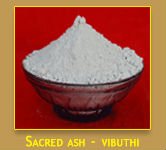
Vibhuti (Sacred Ash)


  Vibhuti (விபுதி ) is the sacred ash used in religious worship in Hinduism. The main ingredient of Vibuthi is a special kind of wood, but several other substances, such as milk and ghee, prescribed in scriptures are also added. These substances are burned in a sacred fire (Homa) [Omam ஓமம்] . Vibhuti is placed on the forehead as it is considered sacred and holy. Many devotees add an amount to the tongue to receive the blessings of the deity.


The ash has several symbolic meanings:

  • When eaten, Vibuthi imparts the blessings (Aaseervaatham ஆசீர்வாதம்) of the divine. 
  • Placed on the forehead of devotees, it serves as a sectarian mark (Tilaka) [Thilagam திலகம்]. 
  • In worship connected with Lord Shiva it is a symbol of purity and is one of the main sacraments given at pooja (Poojai பூஜை ) in all temples and shrines. 
  It serves as a reminder to the believer to cast away selfish and worldly desires that wrap the self in maya, and calls to mind the story of how Shiva burned Kama (the god of desire) to ashes when Kama attempted to break Shiva's focus on the Divine Truth.

12 Dec 2011

Thai Ponggal (தை பொங்கல்)


Thai Ponggal (தைப்பொங்கல்) is a harvest festival celebrated by Tamils. Pongal in Tamil means "boiling over" or "spill over". The boiling over of milk in the clay pot symbolizes material abundance for the household. Thai Pongal, celebrated at harvest time, is traditionally intended to thank the Sun God and farmstead livestock that helped create the material abundance.

The saying "Thai Pirandhal Vazhi Pirakkum" (தை பிறந்தால் வழி பிறக்கும்) meaning "the commencement of Thai paves the way for new opportunities" is often quoted regarding the Pongal festival. The festival usually occurs from January 13 — 15 in the Gregorian calendar i.e. the last day of the Tamil month Maargazhi to the third day of Thai.

Ponggal is traditionally dedicated to the Sun God Surya (சூரியன் Sooriyan). Tamils thank the solar deity for the good harvest and consecrate the first grain to him on this 'Surya Mangalyam' (சூரிய மாங்கல்யம்).

The holiday denotes the start of the Tamil month of Thai (தை). It marks the day when the Sun purportedly shifts northwards. It signifies the commencement of Uttarayana, which represents the northward journey of Sun. The days get longer in the Tamil lands.

The history may well be more than 1000 years old although some are of the view that the festival is older. Epigraphic evidence suggests the celebration of the Puthiyeedu during the Medieval Chola empire days. It is thought that Puthiyeedu meant the first harvest of the year. The Sangam era literary work, the Paripaadal, refers to a fast by unmarried girls in honor of the God Vishnu in the month of Thai, known as the Thai Nonbu. The link between that fast and today's harvest festival needs to be further researched. Tamils refer to Pongal as "Tamizhar Thirunaal" (meaning "the festival of Tamils").


Pongal Pandigai (பொங்கல் பண்டிைக)

Ponggal itself falls on the first day of the Tamil month of Thai (January 14 or 15). It is celebrated by boiling rice with fresh milk and jaggery in new clay pots. The rice is later topped with brown sugar, ghee, cashew nuts and raisins. This tradition gives Pongal its name.The rice is traditionally cooked at sun rise.

The moment the milk boils over and bubbles out of the vessel, the tradition is to shout of "Ponggalo Ponggal!", introduce freshly harvested rice grains in the pot and blow the sanggu [சங்கு] (a conch). Tamils consider it a good sign to watch the milk boil over as it connotes good luck and prosperity. The newly cooked rice is traditionally offered to the Sun God at sunrise to demonstrate gratitude for the harvest. It is later served to the people present in the house for the ceremony. People prepare savories and sweets such as vadai, murukku, paayasam, visit each other and exchange greetings.

Tamils draw kolams/rangolis on the door step, consume sugar cane, prepare sweetened rice, milk and jaggery in new earthen pots and dedicate it to Sun God. The family elders present gifts to the young.


Mattu Ponggal ( மாட்டுப்பொங்கல்)

Cattle play an important role in the traditional Indian farmstead be it with regards to the provision of dairy products, its use for ploughing and transport and its provision of fertilizer. This explains the Vedic reference to cattle as wealth. On the day after Ponggal, cattle are felicitated. In rural Tamil Nadu, adventurous games such as the Jallikkattu or taming the wild bull are features of the day. Maattu Ponngal is intended to demonstrate our recognition and affection to cattle and decorate them with garlands, apply kungumam (kumkum) on their foreheads and feed them good food.

Maattu ponggal & the famous Alanganallur Jallikattu

Maattu ponggal is intended to honor the cattle that worked hard throughout the year. The farm bulls are given a bath, their horns painted and adorned with new sarees in some places. In Alanganallur, bulls are set free in a ground where youth who hold on its hump until the victory line are considered victorious.In Alanganallur which is located 17 km Northwest of Madurai Jallikattu is conducted with enthusiasm.

Kanu Pongal (கனுப்பொங்கல்)

Kanu Pidi (கனுப்பொங்கல்) is a tradition that the ladies and young girls of the house follow. Women feed birds and pray for the well being of their brothers. Women of the family place different kinds of coloured rice, cooked vegetables, banana and sweet ponggal on a ginger or turmeric leaf and invite the crows, which descend in hordes to share and enjoy the "Kaka pidi, Kanu pidi" feast. Women offer prayers in the hope that the brother-sister ties may remain forever strong like the family of crows.

"Kakkapidi Vaithen, Kanupidi vaithen, Kakkaiykkum Kurivikkum Kalyanam". "Kakkapidi vaithen, kanupidi vaithen, kakkaikootam pole engal koottamum kalayaamal irukkanum."

காக்கா பிடி வைத்தேன், கனு பிடி வைத்தேன், காக்காய்க்கும் குருவிக்கும் கல்யாணம் காக்கா பிடி வைத்தேன், கனு பிடி வைத்தேன், காக்காய்க்கூட்டம் போல எங்கள் கூட்டம் கலையாமல் இருக்கனும்.


Kaanum Ponggal (காணும் பொங்கல்)

This is a time for family reunions in Tamil Nadu. Brothers pay special tribute to their married sisters by giving gifts as affirmation of their filial love. Landlords present gifts of food, clothes and money to their workforce. During Kaanum Ponggal (the word kaanum means "to view"), people visit relatives and friends to enjoy the festive season. In the cities this day is synonymous with people flocking to beaches and theme parks to have a day out with their families. They also chew sugar cane and decorate their houses with kolam. This day is a day to thank relatives and friends for their support in the harvest. Although it started as a farmers festival, today it has become a national festival for all Tamils irrespective of their origins or even religion. It is as popular in urban areas as is in rural areas.

10 Dec 2011

Kolam


   Kolams are thought to bestow prosperity to homes. Every morning in southern India, millions of women draw kolams on the ground with white rice powder. Through the day, the drawings get walked on, rained out, or blown around in the wind; new ones are made the next day. Every morning before sunrise, the floor of the owners house ,or where ever it may be, is cleaned with water and the muddy floor is swept well for an even surface. The kolams are generally drawn while the surface is still damp so that it is held better. Occasionally, cow-dung is also used to wax the floors. In some cultures, cow dung is believed to have antiseptic properties and hence provides a literal threshold of protection for the home. It also provides contrast with the white powder.

   Decoration was not the sole purpose of a Kolam. In olden days, kolams used to be drawn in coarse rice flour, so that the ants don't have to work that much for to long for a meal. The rice powder is said to invite birds and other small critters to eat it, thus inviting other beings into one's home and everyday life: a daily tribute to harmonious co-existence. It is a sign of invitation to welcome all into the home, not the least of whom is Goddess Lakshmi, the Goddess of prosperity. The patterns range between geometric and mathematical line drawings around a matrix of dots to free form art work and closed shapes. Folklore has evolved to mandate that the lines must be completed so as to symbolically prevent evil spirits from entering the inside of the shapes, and thus are they prevented from entering the inside of the home.


   It used to be a matter of pride to be able to draw large complicated patterns without lifting the hand off the floor standing up in between. The month of Margazhi was eagerly awaited by young women, who would then showcase their skills by covering the entire width of the road with one big kolam.

   The ritual kolam patterns created for occasions such as weddings can stretch all the way down streets. Patterns are often passed on generation to generation, from mother to daughter.

   Powdered white stone (வெங்கசங்கள் பொடி Venggasanggal Podi / மொக்குமாவு Mokkumaavu ) was used for Kolam.

   Seasonal messages like welcome (நல்வரவு Nalvaravu) is used in Kolam. Volunteering to draw kolam at temple is sometimes done when a devotee's wishes are fulfilled.

9 Dec 2011

Kaarthigai Deepam (Thirukaarthigai)


    One of the earliest references to the festival is found in the Ahananuru, a book of poems, which dates back to the Sangam Age (200 B.C. to 300 A.D.). The Ahananuru clearly states that Karthigai is celebrated on the full moon day (pournami பௌர்ணமி ) of the month of Karthigai, as per South Indian calender. It was one of the most important festivals (peruvizha பெருவிழா) of the ancient Tamizhs. Avaiyyar, the renowned poetess of those times, refers to the festival in her songs. Karthikai Deepam is one of the oldest festivals celebrated by the Tamizh people. The festival finds reference in Sangam literature like Ahananuru and the poems of Auvaiyar.


   Lord Shiva appeared as a endless flame of light before Lord Vishnu and Lord Brahma, who each considered himself supreme and said that the matter could be tested if the two could search for Lord Shiva's Head and feet. Lord Vishnu took the form of a boar (Tamil:Varahan வரஹன் ) and delved deep into the earth, Lord Brahma that of a swan (Tamil: Annamஅன்னம்) and flew towards the skies. Lord Vishnu failed in his search and returned. But Lord Brahma, chancing upon a piece of Thaazhampoo தாழம்பூ , a flower, learnt from it that it had been floating down for thirty thousand years from Lord Shiva's head. He seized upon this and claimed to Lord Shiva that he had seen the other's top. Lord Siva realized the falsehood and pronounced that there would never be a temple for Lord Brahma in this world. He also interdicted the use of the flower Thaazhampoo in his worship. Lord Shiva appeared as a flame, this day is called Maha Deepam.


8 Dec 2011

Thosai


 A reference to Thosai occurs in the Tamil Sangam Literature from around 6th century AD. Edward Farnworth mentions the first reference to Thosai in Tamil Sangam literature in the sixth century A.D.


Rice is ground finely to form a batter. Rice can be uncooked or parboiled. The mixture of Ulunthu உளுந்து (black lentils) and rice can be replaced with highly refined wheat flour to make a maida dosa or semolina for a rava dosa.

A thin layer of the batter is then ladled onto a hot tava (griddle) greased with oil or ghee (clarified butter). It is spread out evenly with the base of a ladle or bowl to form a pancake. It is flipped to heat both crusts and removed from the griddle when the crust becomes dry. Dosa are served hot, either folded in half or rolled like a wrap.


Ingredients:

  • 3 cup rice (Arisi அரிசி ) 
  • 1 cup split black gram lentil (Ulunthu உளுந்து ) 
  • 1 tsp salt (Uppu உப்பு ) 
  • 1 tsp fenugreek seeds (Venthayam வெந்தயம்) 
  • oil as required (Ennei எண்ணெய் 

Method

  • Soak rice, Ulunthu and Venthayam for 6 hours. 
  • Then grind them to a fine thin batter by adding little water. 
  • Add salt to it and leave it covered for 12 hours for fermentation. 
  • Now heat a non stick tawa and spread 1 tbsp of the batter on the whole of the pan. 
  • Grease all the corners and then cook it on the other side also. 
  • Put little water on the tawa and wipe it with a clean cloth before making each dosa. 
  • Serve them hot with hot sambhar and chutney.

Categories

Flash Labels by Way2Blogging